Search Results
Search this site
312 results found with an empty search
- The Power of Courage: Unveiling Its True Meaning, Value and Essence
Essence of Courage: The Real Meaning and Unmeasurable Value of Courage Courage is not merely a word; it's a profound human virtue, the very essence of our ability to face adversity head-on, an indomitable force that shapes our lives. In this article, we embark on an exploration on the power of courage, peeling back its layers to reveal its true meaning, value, and its pervasive influence on our daily existence. Unveiling the Real Meaning of Courage Courage is not the absence of fear, but the audacity to confront it. It's the relentless determination to stand firm in the face of danger, uncertainty, and adversity. Courage is the fiery heart of human resilience and the unwavering resolve to take action when fear would prefer us to cower. Courage is the undying spirit within us that enables us to push forward when every fiber of our being trembles with fear. It embodies the conviction that even in the darkest moments, we can shine as beacons of hope. Courage in a Sentence Courage, at its core, is the unwavering mental and moral strength that enables individuals to endure and prevail in the midst of adversity, even when their hearts quiver with fear. In a world fraught with uncertainty and adversity, courage emerges as the unwavering anchor of human determination, steadfastly illuminating our path even in the darkest of times. The Value of Courage The intrinsic value of courage extends far beyond personal growth; it is the cornerstone of societal progress, the spark of innovation, and the catalyst for change. Courage in Everyday Life Everyday life is the crucible in which courage thrives. It empowers us to champion justice, to confront our inner demons, and to uphold our principles. In the mundane moments and quiet battles, courage becomes the unwavering force that guides us. Courage in daily life isn't confined to grand gestures but is expressed through the decisions we make - standing for justice, facing personal fears, and remaining resolute in upholding our principles. Courage as a Key to Success Success is not the result of chance; it's the fruit of courage. It propels individuals to venture beyond their comfort zones, to take calculated risks, and to overcome obstacles. Courage is the driving force behind innovation, progress, and achieving greatness. Courage is the secret ingredient that emboldens us to tread into uncharted territory, break free from our comfort zones, and overcome obstacles in our path. Courage in Ethics In the realm of ethics, courage is the cornerstone of moral integrity. It acts as the guiding light, leading us through the treacherous waters of moral dilemmas, ensuring that our values remain unwavering even in the face of adversity. Courage in the realm of ethics represents the moral backbone that empowers individuals to make principled decisions, even when confronted with ethical dilemmas. Examples of Courage To grasp the multifaceted nature of courage, let's explore real-life examples that inspire and instill faith in its indomitable power. Everyday Acts of Courage Courage in Education Students who defy peer pressure and champion the cause of the bullied exemplify remarkable courage. Courage in the Workplace Employees who challenge workplace injustices and embrace daunting projects embody exceptional courage. Courage in Healthcare Healthcare workers who persevere tirelessly on the frontlines during a pandemic, despite personal risks, epitomize unparalleled courage. In the fabric of our lives, courage manifests in the everyday heroes—students standing against bullies, employees challenging injustice, and healthcare workers battling adversity on the frontlines of a pandemic. Historic Acts of Courage Rosa Parks Her refusal to relinquish her bus seat sparked the Montgomery Bus Boycott, igniting the Civil Rights Movement. Nelson Mandela Even 27 years of imprisonment couldn't break his resolve to dismantle apartheid in South Africa. Malala Yousafzai Surviving a Taliban assassination attempt, she champions girls' education with unwavering courage. History bears witness to the extraordinary acts of courage: Rosa Parks' defiance against racial segregation, Nelson Mandela's unwavering spirit in the face of apartheid, and Malala Yousafzai's unyielding commitment to girls' education. Courage as a Skill and Attitude Courage is not an inherent trait but a skill and attitude that can be cultivated, nurtured, and shared with others. Having Courage Facing fear, making challenging decisions, and embracing uncertainty form the bedrock of courage. It's not about fearlessness; it's about resolute action in the face of fear. Courage is not just a quality; it's a skill. It involves confronting fears, making tough decisions, and navigating the labyrinth of uncertainty with unwavering resolve. Giving Courage to Others Courage is contagious. Acts of courage inspire and empower others. It's a ripple effect that transforms communities and societies. Your courage can kindle the flame of bravery in those around you, catalyzing positive change. Courage is not a solitary endeavor; it's a collective force. Your courage can spark a chain reaction, creating positive change that ripples through your community and beyond. Courage: The Mother of All Virtues As Aristotle asserted, "Courage is the first of human qualities because it is the quality that guarantees the others." It serves as the cornerstone for all virtues, igniting compassion, justice, integrity, and kindness. Courage, the virtuous cornerstone, not only guarantees the resilience of the human spirit but also ignites the flames of compassion, justice, integrity, and kindness. The Power of Courage In the grand mosaic of human attributes, courage stands as the brightest star. It is the catalyst for change, the fuel for personal growth, and the beacon of hope in a world often veiled in shadows. As we journey through life's labyrinth, let courage be our guiding light, reminding us that in every challenge lies an opportunity to be courageous, to stand for what we believe in, and to change the world. Let the power of courage catapult you in a purposeful and meaningful life!
- The Power of Resolve: "We Must Fight" Speech by Ronald Raegan
"We Must Fight Speech": Ronald Reagan's Bold Stance In a world where diplomacy often dances on the edge of appeasement, Ronald Reagan's iconic speech, "We Must Fight," delivers a timeless message of unwavering determination. With his words etched in history, Reagan challenged the notion that peace could be achieved through surrender, emphasizing that true peace could only be obtained through strength and resolve. In this article, we delve into the profound wisdom of Reagan's speech and its enduring relevance in a complex world, unearthing the critical importance of resolute action. The Illusion of Appeasement The heart of Reagan's message lies in the understanding that appeasement is an illusion. While some may argue that diplomacy and accommodation could bring peace, history tells a different story. Every retreat, every act of appeasement, only emboldens oppressive forces, pushing us closer to the brink of war. Reagan contends that accommodating tyrants ultimately leads to an ultimatum that cannot be escaped. The Danger of Weakness Reagan's speech warns against the dangers of allowing our own strength to wither. He highlights the belief of Nikita Khrushchev that the West would eventually surrender under the relentless pressure of the Cold War, not because of external force but due to self-inflicted spiritual, moral, and economic weakness. In this, Reagan underscores the peril of trading our principles for a false sense of security. The Value of Sacrifice Reagan poignantly questions when life became so precious that we would sacrifice our principles in its name. He draws parallels to historical figures who refused to accept oppression as the norm, asking whether Moses should have permitted the continued slavery of the Israelites or if Christ should have avoided the cross. Reagan's words echo the sentiments of patriots at Concord Bridge who recognized that there are principles worth fighting for, even at the risk of their own lives. Peace through Strength The crux of Reagan's message can be summed up in the phrase "Peace through strength." He emphasizes that the road to peace is not through weakness, but through unwavering resolve. This is a notion that echoes the sentiment of Winston Churchill, who believed that man's destiny is tied to a higher duty beyond material calculations. A Rendezvous with Destiny Ronald Reagan passionately concludes his speech by speaking directly to the American people, stating that they have a rendezvous with destiny. They hold in their hands the last best hope of humanity on Earth, and their choices will determine whether their children inherit a world of freedom or one shrouded in darkness. The Relevance Today As we reflect on Reagan's words, we can't help but acknowledge their continued relevance in the contemporary world. The struggle between freedom and oppression, between diplomacy and appeasement, remains a defining aspect of global politics. In today's geopolitical landscape, nations face the challenge of dealing with oppressive regimes, where the quest for peace can sometimes lead to appeasement. It is important to remember Reagan's message that surrendering our principles for momentary peace is a perilous path. The world is still witness to instances where moral and spiritual weakness have led to the erosion of freedom and democracy. Reagan's call for unwavering strength, both in character and in policy, is a reminder that freedom is not to be taken for granted. In the age of rapid information dissemination, it is crucial to remember Reagan's message of the courage to stand up for principles. Whether it's in the face of international challenges or domestic concerns, the resolve to protect freedom and democracy should remain unwavering. The Power of Resolve: A Rendezvous with Destiny Ronald Reagan's speech, "We Must Fight," serves as an enduring testament to the power of resolute action in the face of adversity. In a world that constantly grapples with complex geopolitical issues, the words of this iconic leader resonate as a reminder that freedom and peace can only be secured through unwavering strength. The message is clear: compromising our principles for the sake of temporary peace is a treacherous path that can lead to dire consequences. We must continue to uphold the values that define us and maintain the courage to say, "There is a price we will not pay, there is a point beyond which they must not advance." In the words of Barry Goldwater, "Peace through strength" remains the ultimate path to a peaceful world. We have a rendezvous with destiny, and the choices we make today will shape the future for generations to come.
- The Legacy of Winston Churchill: Winston Churchill Most Known for His Leadership and His History
The Legacy of Winston Churchill: An Icon of Leadership and History Winston Churchill, the indomitable statesman, is most known for his unwavering leadership during World War II. His name resonates with an era of tumultuous world events, and his legacy remains an enduring symbol of steadfast determination, eloquent oratory, and visionary leadership. In this comprehensive article, we delve deep into the life, achievements, and lasting impact of Sir Winston Churchill, with the intent to provide readers with a detailed exploration of his remarkable contributions. Early Life and Education Winston Churchill was born on November 30, 1874, into an aristocratic family with a rich history. His father, Lord Randolph Churchill, was a prominent British politician, and his mother, Jennie Jerome, was an American socialite. Churchill's upbringing was privileged, but it was also marked by neglect from his parents, which shaped his indomitable spirit. Educated at Harrow School and the Royal Military Academy Sandhurst, Churchill's early life hinted at the eventual emergence of a great leader. The Boer War and Early Political Career Churchill's early career was characterized by his adventurous spirit. He saw action as a young officer in the 4th Queen's Own Hussars during the Cuban War of Independence. However, it was during the Boer War in South Africa that his name began to resonate with the British public. As a war correspondent, Churchill was captured by Boer forces but made a daring escape, an event that catapulted him to fame. His political career took flight when he became the Member of Parliament for Oldham in 1900, and he continued to rise through the ranks. His early years in politics were marked by his party-switching, as he moved from the Conservative Party to the Liberal Party and back to the Conservatives, reflecting his evolving political ideologies. Churchill's Role in World War I As First Lord of the Admiralty, Churchill was a strong advocate for a powerful navy and foresaw the importance of air power. His contributions during World War I were instrumental, although they were not without controversy. The Gallipoli Campaign, a joint British and French operation to seize the Dardanelles straits from the Ottoman Empire, resulted in heavy casualties, tarnishing Churchill's reputation. Nevertheless, he remained a pivotal figure during the war and his experiences served as valuable lessons for the future. The Pinnacle of Leadership: World War II Winston Churchill's most defining role came during World War II when he served as the Prime Minister of the United Kingdom. In May 1940, as the war in Europe intensified, Churchill delivered some of his most famous and stirring speeches, rallying the British people and their allies to stand firm against the Nazi threat. His leadership was marked by his iconic speeches, including the famous "We shall fight on the beaches" address. His charisma and unwavering resolve in the face of adversity became a beacon of hope for the free world. Churchill's Alliance with Allied Leaders Churchill's wartime leadership was closely intertwined with his relationships with other key figures of the era. His partnership with U.S. President Franklin D. Roosevelt and Soviet Premier Joseph Stalin was pivotal to the Allied victory. Together, they forged a strong alliance and worked collectively to defeat the Axis powers. The meetings at Yalta and Tehran, where Churchill, Roosevelt, and Stalin convened, became landmarks in shaping the post-war world order. Post-War Politics and Legacy Churchill's role as a statesman extended well beyond World War II. He played a crucial part in shaping the post-war world through his involvement in the United Nations and efforts to establish a lasting peace. Despite his wartime popularity, Churchill's Conservative Party was defeated in the 1945 general election. However, he made a comeback as Prime Minister in the 1950s and continued to leave a lasting impact on British politics and international relations. Personal Life and Passions Beyond his political career, Winston Churchill was an accomplished writer, historian, and artist. He was awarded the Nobel Prize in Literature in 1953 for his six-volume work, "The Second World War." He also had a lifelong passion for painting, creating over 500 artworks during his lifetime. Churchill's multifaceted talents and interests added depth to his character. Winston Churchill Most Known For In conclusion, Winston Churchill is most known for his resolute leadership during World War II, but his life's story is a tapestry of remarkable achievements, challenges, and a relentless commitment to defending liberty and democracy. His legacy endures as a symbol of courage and determination, serving as an inspiration to leaders and individuals alike. Sir Winston Churchill's indomitable spirit and enduring legacy are etched in the annals of history, standing as a testament to the power of visionary leadership in the face of adversity.
- The June Rebellion and French Revolution: A Look at French History and Uprisings
A Look at French History and Uprisings In the annals of history, the French Revolution stands as an iconic moment when the world witnessed the power of the people rising against oppressive regimes. It was a time of upheaval, radical change, and the birth of new ideas. Among the numerous revolts and uprisings during this tumultuous period, the June Rebellion holds a unique place in history. In this comprehensive article, we delve into the intricacies of the French Revolution and its connection to the lesser-known yet significant June Rebellion. The French Revolution: A Revolution of Ideals The Seeds of Revolution The French Revolution, spanning from 1789 to 1799, was a watershed moment in human history. It was driven by the pursuit of liberty, equality, and fraternity, ideals that continue to resonate with people around the world. The revolution was ignited by a society deeply divided along class lines, where the impoverished masses were burdened by an inequitable system while the aristocracy reveled in privilege. Key Events of the Revolution The French Revolution can be characterized by a series of key events, each contributing to the fervor and momentum for change. These events include the storming of the Bastille, the Reign of Terror, and the rise of Napoleon Bonaparte. The Bastille, a symbol of royal tyranny, was stormed on July 14, 1789, marking the beginning of the revolution. The Reign of Terror, from 1793 to 1794, was a period of extreme violence and radical measures to protect the revolution. Napoleon Bonaparte, a military genius, eventually seized power and became Emperor of France, bringing about a new phase in French history. The June Rebellion: A Lesser-Known Chapter Origins of the June Rebellion While the French Revolution is widely documented, the June Rebellion is often overshadowed by its grander predecessor. The June Rebellion, also known as the "Paris Uprising of 1832," was a brief but intense revolt that occurred from June 5 to June 6, 1832. It was a direct response to the repressive regime of King Charles X, who had tightened his grip on power. Triggers and Catalysts The June Rebellion was triggered by several factors, including economic hardship, political oppression, and growing discontent among the working-class and student populations in Paris. The death of General Jean Lamarque, a symbol of opposition to the regime, served as a catalyst for the uprising. The rebels, predominantly students and workers, took to the streets to express their grievances and demand change. Contrasting the French Revolution and the June Rebellion Scope and Scale One of the primary distinctions between the French Revolution and the June Rebellion lies in their scope and scale. The French Revolution was a nationwide upheaval, affecting all corners of France and reshaping the country's political and social landscape. In contrast, the June Rebellion was confined primarily to Paris and had a more localized impact. A Difference in Aims The aims of these two revolts also differed significantly. The French Revolution sought to transform the entire French society and governance, while the June Rebellion was a more focused protest against the rule of King Charles X. The June Rebellion's goals were more limited in scope, aiming to address specific grievances rather than to overturn the entire system. Legacy and Influence The French Revolution's Enduring Legacy The French Revolution left an indelible mark on history, inspiring subsequent revolutions and influencing political ideologies across the globe. It gave birth to concepts of democracy, human rights, and the rule of law, which continue to shape modern societies. The Impact of the June Rebellion Although the June Rebellion did not lead to widespread political change, it was a precursor to future uprisings in France. It highlighted the power of collective action and the ability of the people to voice their discontent against oppressive regimes. The June Rebellion contributed to the ongoing struggle for civil liberties in France. The June Rebellion and French Revolution The French Revolution and the June Rebellion, while distinct in their scope and objectives, are integral parts of French history and the broader narrative of human struggle for freedom and equality. The French Revolution, with its grandeur and lasting impact, rightfully claims its place in history books, but the June Rebellion, a testament to the unwavering spirit of the people, should not be forgotten. Together, they remind us that the pursuit of justice and liberty has always been a driving force in the pages of history.
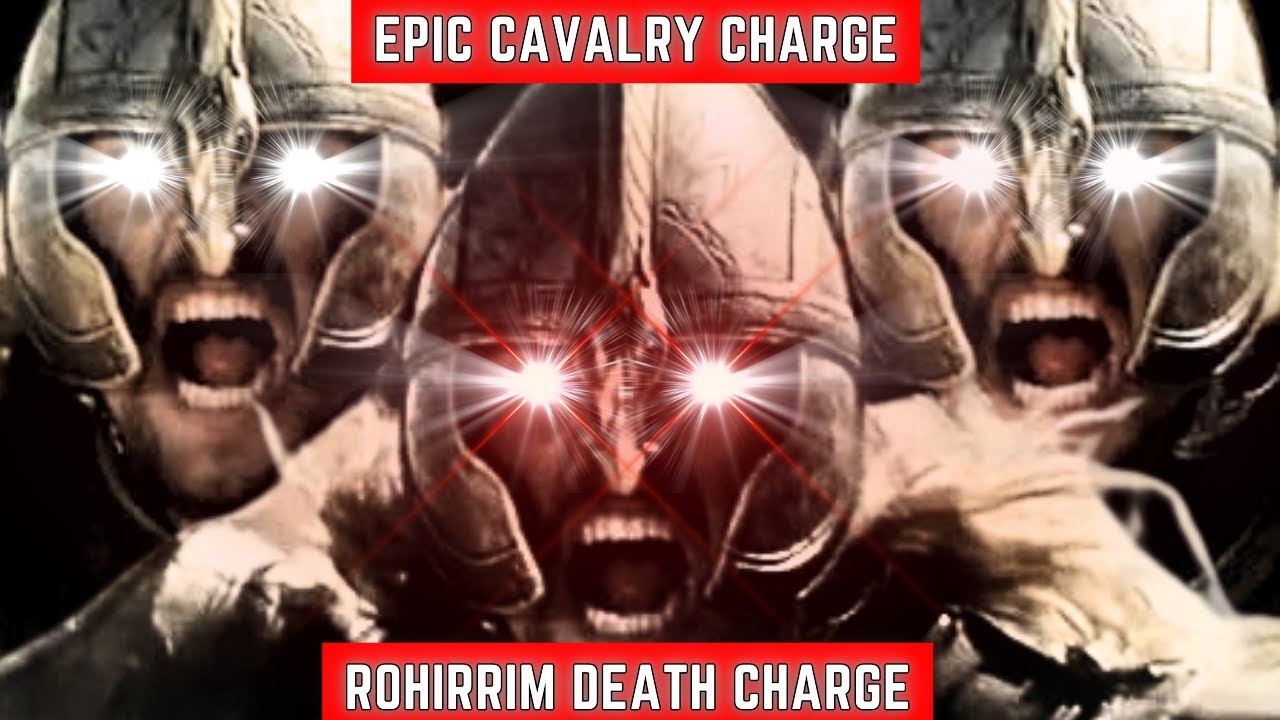
- The Ride of the Rohirrim: Theoden's Inspiring Speech and the Greatest Cavalry Charge Scene
The Ride of the Rohirrim In the realm of cinematic masterpieces, one scene stands out as a testament to the power of storytelling and the art of filmmaking – "The Ride of the Rohirrim" from Peter Jackson's epic adaptation of J.R.R. Tolkien's "The Lord of the Rings: The Return of the King." This iconic sequence is not just a moment in cinema; it is an experience that has left an indelible mark on the hearts of viewers worldwide. In this article, we delve deep into the mesmerizing world of Rohan, exploring the context, Theoden's stirring speech, and the extraordinary cavalry charge scene that has etched itself into cinematic history. The Context: A World on the Brink "The Lord of the Rings: The Return of the King" is the final installment of the groundbreaking trilogy, a culmination of years of cinematic excellence. As the tale unfolds, the world of Middle-earth is plunged into darkness, with Sauron's malevolence threatening to consume all that is good. Gondor, the last beacon of hope, is under siege, and the forces of evil are massing for a final, devastating assault. At this critical juncture, Rohan, the horse-lords, plays a pivotal role. Their land and people have suffered greatly under the shadow of Saruman and his treacherous plots. Theoden, the King of Rohan, had been ensnared by Saruman's influence, but a transformation is underway, one that will ignite the hearts of the Rohirrim and change the course of history. Theoden's Inspiring Speech: A Call to Arms In the midst of despair, Theoden's rousing speech emerges as a beacon of hope and courage. His words are not mere lines in a script; they are a rallying cry, an embodiment of leadership, and a testament to the power of eloquent storytelling. Theoden, portrayed brilliantly by Bernard Hill, steps forth with unwavering determination, and his speech reverberates through the ages. "Arise, arise, Riders of Théoden! Spears shall be shaken, shields shall be splintered – a sword-day, a red day, ere the sun rises!" These words are more than just a call to arms; they are a battle cry that ignites the spirit of the Rohirrim. Theoden's speech is an exemplar of the art of persuasion and leadership. With these words, he transforms his people from a state of despair into a force of unyielding resolve. This transformation is essential to understanding the magnitude of what follows – the greatest cavalry charge in cinematic history. The Cavalry Charge: A Cinematic Triumph The Ride of the Rohirrim is not just an epic battle scene; it's a tour de force of cinematic excellence. It is a moment that transcends the boundaries of the screen and immerses the audience in a whirlwind of emotions. Peter Jackson's directorial brilliance, combined with Howard Shore's hauntingly beautiful score, elevates this scene to unparalleled heights. As Theoden and his loyal Riders charge headlong into the chaos of the battlefield, the audience is taken on a breathtaking journey. The cinematography captures the thundering hooves of the horses, the glint of the riders' swords, and the sheer, unrelenting bravery of the Rohirrim. It's a symphony of sights and sounds that envelops the viewer, drawing them into the heart of the battle. The charge itself is a visual spectacle. The Rohirrim, with their iconic spears, descend upon the enemy with a ferocity that is nothing short of awe-inspiring. The sheer scale of the charge, as thousands of riders thunder across the Pelennor Fields, is a sight to behold. The camera work, combined with masterful visual effects, creates a kinetic and visceral experience. Theoden's Inspiring Speech and the Greatest Cavalry Charge Scene "The Ride of the Rohirrim" is a triumph of storytelling and filmmaking. It's a scene that not only advances the plot but also leaves an indelible mark on the hearts of those who witness it. The power of Theoden's speech and the cinematic spectacle of the cavalry charge combine to create an experience that lingers long after the credits roll. In the annals of cinematic history, this sequence stands as a testament to the art of storytelling through film. It's a reminder of the impact a well-crafted narrative and stunning visuals can have on an audience. The legacy of "The Ride of the Rohirrim" endures, and it continues to inspire and captivate new generations of viewers.
- 3 Mind Blowing Quotes by Alan Watts
Alan Watts Quotes Welcome, dear readers, to an enlightening journey into the profound philosophy of Alan Watts. In this exploration, we will uncover three awe-inspiring quotes by this visionary philosopher. These quotes are not mere words; they are portals to transformative power and profound contemplation that can reshape the way we perceive the world and our place in it. Join us as we embark on this journey of enlightenment. Embracing Oneness: "We do not 'come into' this world; we come out of it, as leaves from a tree." The first of our mind-blowing quotes by Alan Watts invites us to challenge the very essence of our existence. He eloquently states, "We do not 'come into' this world; we come out of it, as leaves from a tree." These words serve as a powerful reminder that we are not isolated beings but rather interconnected manifestations of the universe itself. The Profound Implication Watts urges us to recognize the intricate web of life from which we arise. Just as a leaf emerges from a tree, we, too, spring forth from the cosmos. This insight challenges our conventional notions of separateness and prompts us to embrace a deep sense of interconnectedness with all living things. The Transformative Journey As we internalize this wisdom, we embark on a journey of self-discovery and profound connection. It encourages us to reflect on the consequences of our actions, for they ripple through the interconnected tapestry of life. We begin to view the world not as something external to us but as an extension of our own existence. "We do not 'come into' this world; we come out of it, as leaves from a tree." - Alan Watts Dancing with Change: "The only way to make sense out of change is to plunge into it, move with it, and join the dance." Alan Watts' second profound quote resonates deeply with the ever-changing nature of existence. He asserts, "The only way to make sense out of change is to plunge into it, move with it, and join the dance." These words inspire us to let go of our resistance to change and actively participate in the cosmic dance of life. The Profound Implication Watts challenges us to see change as an opportunity rather than a threat. Change is the essence of life, and embracing it allows us to adapt, evolve, and align ourselves with the dynamic rhythms of the universe. The Transformative Journey By surrendering to the flow of life, we discover that each moment becomes an opportunity for growth and transformation. We no longer fear the unknown; instead, we welcome it with open arms. This shift in perspective empowers us to lead lives filled with resilience, growth, and an unshakeable connection to the ever-changing essence of existence. "The only way to make sense out of change is to plunge into it, move with it, and join the dance." - Alan Watts Engaging in the Present: "This is the real secret of life — to be completely engaged with what you are doing in the here and now. And instead of calling it work, realize it is play." Our journey through Alan Watts' wisdom culminates with the third profound quote: "This is the real secret of life — to be completely engaged with what you are doing in the here and now. And instead of calling it work, realize it is play." These words challenge our perceptions of work and play, revealing the transformative potential of being fully present in each moment. The Profound Implication Watts encourages us to blur the boundaries between work and play. He invites us to recognize that when we immerse ourselves fully in the present moment, even the most mundane tasks can be infused with purpose, creativity, and profound fulfillment. The Transformative Journey By embracing this insight, we embark on a journey of conscious living. We no longer view work as a mere means to an end, but as a meaningful part of our existence. Every action becomes an opportunity for personal growth and a deeper connection with the essence of life itself. "This is the real secret of life — to be completely engaged with what you are doing in the here and now. And instead of calling it work, realize it is play." - Alan Watts Mind-Blowing Alan Watts Quotes The three mind-blowing quotes by Alan Watts are more than just words; they are profound teachings that transcend conventional thinking. They invite us to embrace interconnectedness, surrender to change, and infuse every moment with joyful engagement. As we reflect upon these transformative insights, let us open our minds, question our assumptions, and embark on a journey of self-discovery and profound connection with the vast mysteries of the universe.
- World War 2 Colored Combat Footage: A Glimpse into WW2 History
World War 2 Colored Combat Footage In the annals of human history, there are few events as impactful as World War 2. With its epic battles, unparalleled destruction, and unwavering heroism, this global conflict shaped the course of the 20th century and beyond. Today, we delve into the enthralling world of World War 2, specifically focusing on the mesmerizing aspect of colored combat footage. This article will take you on a journey through time, providing a captivating glimpse into this historic period. The Significance of Colored Combat Footage World War 2, often referred to as WWII, raged from 1939 to 1945, involving many of the world's nations and resulting in widespread devastation. The majority of media from this era is monochrome, but the advent of colored combat footage is a game-changer. It adds a layer of realism that black-and-white footage simply cannot convey. Immersive Realism Colored footage offers a more immersive experience, making it easier for viewers to connect with the past. As we watch soldiers storm the beaches of Normandy or fighter planes engage in dogfights, the vibrant colors bring history to life. It's as if we're transported back to those fateful days. Preservation of History Colored footage not only captures the vivid details of World War 2 but also plays a critical role in preserving history for future generations. It ensures that the sacrifices made and the courage displayed during the war are never forgotten. The Pioneers of Colored Combat Footage The process of colorizing black-and-white footage from World War 2 is a meticulous art, one that is typically undertaken by experts and historians. Some prominent pioneers have made significant contributions in this field, enabling us to relive the past in color. George Stevens George Stevens, a prominent Hollywood director, was also a military officer during World War 2. He captured numerous moments in color, including the liberation of the Dachau concentration camp. His work provides a unique perspective on the war from someone who experienced it firsthand. Jack Lieb Jack Lieb, an American war correspondent, filmed various events during World War 2, such as the D-Day landings. His extensive collection of colored footage has become a valuable resource for historians and filmmakers. Exploring the Colored Combat Footage Now, let's delve into the intriguing questions that have captivated enthusiasts and historians alike regarding World War 2 colored combat footage. How did they get footage for WW2 in Color? Obtaining color footage during World War 2 was no small feat. Some pioneering cameramen used early color film technologies, but it was limited. Most of the footage was initially shot in black and white. Is the footage in WW2 in color real? Yes, the colored combat footage from World War 2 is authentic. It has been meticulously colorized by experts to bring out the true colors of the past. Was World War 2 filmed in color? While some segments were filmed in color, the majority of footage was shot in black and white. The conversion to color was done years later. Is there any real footage from WW2? Absolutely, there is an extensive collection of real footage from World War 2, ranging from combat scenes to everyday life during the war. How does footage get colorized? Colorization of World War 2 footage is a complex process that involves digital technology and meticulous research. Historians and experts painstakingly add color frame by frame to bring history to life. How was WW2 footage captured? World War 2 footage was captured by a variety of individuals, including military personnel, war correspondents, and filmmakers. These brave individuals risked their lives to document the events of the time. Who took photos of WW2? Photographs from World War 2 were taken by a wide range of people, including soldiers, journalists, and professional photographers. The photos provide invaluable insights into the war's realities. What is the most famous WWII photo? One of the most famous photos from World War 2 is the raising of the American flag on Iwo Jima. This iconic image symbolizes the valor and unity of the American forces during the war. Did WW2 footage have sound? Most World War 2 footage did not have sound. Sound technology for film was not as advanced during that period. Did WW2 soldiers go deaf? The soldiers in World War 2 faced the constant noise of battle, from gunfire to explosions, which could indeed lead to hearing damage. The lack of effective ear protection at the time made this a significant concern. Why is WW2 footage so short? The brevity of World War 2 footage is due to the limitations of the technology of the era. Film reels were limited in length, and cameramen had to conserve film for critical moments. How loud was WWII? World War 2 was incredibly loud, with the constant roar of artillery, gunfire, and explosions. The cacophony of battle was both deafening and terrifying. Why did WW2 planes scream? The distinctive screaming sound of World War 2 planes, such as the Stuka dive-bomber, was due to sirens attached to their wings. This psychological tactic was used to strike fear into the hearts of those below. What was the most feared sound in WW2? The most feared sound in World War 2 was arguably the air raid sirens. When the sirens wailed, it signaled impending danger and instilled fear in civilians, as they knew an air raid was imminent. A Glimpse into WW2 History World War 2 colored combat footage not only serves as a historical treasure but also answers questions that continue to intrigue us. The footage, meticulously colorized, offers a window into the past that allows us to appreciate the courage and sacrifices made during this global conflict.
- Media Vita in Morte Sumus: The Crusader Battle Chant
Media Vita in Morte Sumus In the realm of medieval history, there exists a captivating and inspiring relic, a battle chant that resonates through the ages - "Media Vita in Morte Sumus." This Latin phrase, which translates to "In the midst of life, we are in death," was the rallying cry of the Crusaders, those valiant warriors who embarked on holy quests to the Holy Land during the Middle Ages. In this article, we delve into the rich history, the profound significance, and the enduring legacy of this poignant battle chant. Join us on a journey through time as we explore the depths of medieval warfare and spirituality. Origins of "Media Vita in Morte Sumus" The Call to Crusade The year was 1096, and Europe was aflame with religious fervor. Pope Urban II had issued a call to arms, urging Christians to embark on a sacred mission to reclaim Jerusalem from the hands of non-believers. The Crusaders, inspired by unwavering faith and devotion, needed a battle cry that would encapsulate their mission and provide them with the strength to endure the hardships that lay ahead. The Birth of a Chant It was during this time that "Media Vita in Morte Sumus" was born. This chant, with its haunting melody and profound lyrics, became the anthem of the Crusaders. Its three-part structure, with the words "In the midst of life, we are in death," served as a constant reminder of the transient nature of existence, fueling the Crusaders' determination to fight for their faith. Media vita in morte sumus quem quaerimus adjutorem nisi te, Domine, qui pro peccatis nostris Sancte Deus, sancte fortis, sancte et misericors Salvator: amarae morti ne tradas nos. The Meaning Behind the Chant A Reminder of Mortality At its core, "Media Vita in Morte Sumus" serves as a stark reminder of the fragility of human life. It was a declaration that in the midst of their earthly pursuits, the Crusaders remained aware of their mortality. This acknowledgment of death was not a morbid fixation but rather a source of motivation to live virtuously and fulfill their divine mission. The Power of Faith The chant emphasized the Crusaders' unwavering faith in God and the afterlife. It was a testament to their belief that even in the face of death, they were guided and protected by a higher power. This unshakable faith gave them the courage to face the perils of battle with conviction and determination. The Chant in Battle Inspiring Camaraderie On the battlefield, "Media Vita in Morte Sumus" served to unite the Crusaders. As they faced the chaos and brutality of war, the chant resonated in their hearts, strengthening their resolve and fostering a deep sense of camaraderie. It was a reminder that they were not alone in their struggle. A Battle Cry In the heat of battle, the Crusaders would raise their voices in unison, shouting "Media Vita in Morte Sumus." This cry not only struck fear into the hearts of their enemies but also emboldened the Crusaders themselves. It was a declaration of their purpose and an affirmation of their commitment to their faith. Legacy of "Media Vita in Morte Sumus" Enduring Influence The influence of this Crusader battle chant extends far beyond the medieval era. Its enduring power has inspired countless generations, and it continues to resonate with individuals seeking courage, purpose, and strength in the face of life's challenges. Cultural Significance "Media Vita in Morte Sumus" has left an indelible mark on literature, music, and art. It has been featured in various forms, from epic poems to choral compositions. This chant's timeless message remains a wellspring of inspiration for artists and creators across the world. The Crusader Battle Chant In the annals of history, few chants possess the timeless resonance and profound meaning of "Media Vita in Morte Sumus." The Crusaders, in their unwavering faith and commitment to their holy mission, chanted these words as a reminder of life's brevity and the divine purpose that guided them. Today, we can draw inspiration from their unwavering dedication and the enduring legacy of their battle cry. As we reflect on the past and the spiritual depth of this chant, we find that "Media Vita in Morte Sumus" continues to echo through time, serving as a testament to the enduring power of faith, determination, and the resilience of the human spirit.
- J. Robert Oppenheimer: A Man of Science and Conscience ∙ Bhagavad Gita Speech "Destroyer of Worlds"
Bhagavad Gita Speech "Destroyer of Worlds" “Now I am become Death, the destroyer of worlds.” These haunting words, spoken by physicist J. Robert Oppenheimer, resonate throughout history, encapsulating both the immense power of the atomic bomb and the inner conflict of a brilliant scientist. Oppenheimer's connection to the Bhagavad Gita, an ancient Hindu scripture, provides valuable insight into his complex persona as a man of science and conscience. "The Bhagavad Gita's message of duty, morality, and the consequences of one's actions is something every scientist and engineer should reflect upon." - J. Robert Oppenheimer The Influence of the Bhagavad Gita How did the Bhagavad Gita affect Robert Oppenheimer? Oppenheimer's encounter with the Bhagavad Gita left an indelible mark on his intellectual and moral development. In the Gita, Oppenheimer found a profound exploration of duty, morality, and the nature of existence. Its teachings on the interconnectedness of life, the impermanence of the physical world, and the concept of dharma resonated deeply with him. "The Bhagavad Gita is the most important spiritual text for anyone studying the effects of technology on society." - J. Robert Oppenheimer The Gita's influence on Oppenheimer extended beyond philosophical contemplation. What did Oppenheimer say about the Bhagavad Gita? He often quoted and referenced the text in conversations with colleagues and friends. His close associate, Isidor Rabi, recalled Oppenheimer stating, "I have to tell you now that I made a great mistake in presenting myself as the discoverer of the Gita; actually, it was the other way round; the book has been my discoverer." The "Destroyer of Worlds" Why did Oppenheimer say "Now I am become Death, the destroyer of worlds"? These words, drawn from the Bhagavad Gita, were uttered by Oppenheimer upon witnessing the successful Trinity nuclear test in 1945. The magnitude of the destructive power unleashed by the atomic bomb weighed heavily on Oppenheimer's conscience. He recognized that his creation had the potential to annihilate entire cities and devastate humanity. "The Bhagavad Gita has had a profound impact on my understanding of the moral and ethical implications of scientific and technological advancements." - J. Robert Oppenheimer The phrase "destroyer of worlds" originates from Lord Krishna's dialogue with Arjuna in the Gita, where Krishna reveals his cosmic form, encompassing both creation and destruction. Oppenheimer's quotation reflects his deep introspection on the moral implications of his scientific achievements and the responsibility he bore. Oppenheimer's Complex Relationship with Nuclear Weapons How did Oppenheimer feel about nuclear weapons? While Oppenheimer's scientific endeavors contributed to the development of atomic weapons, he held conflicted views regarding their use. He witnessed the devastation caused by the bombings of Hiroshima and Nagasaki, an experience that intensified his concerns about the consequences of such destructive power. Oppenheimer famously declared, "We knew the world would not be the same." Did Oppenheimer regret creating the atomic bomb? Regret is a complex emotion, and Oppenheimer's sentiments were no exception. He grappled with the ethical dilemmas of his work, often expressing remorse and questioning the moral implications of nuclear weapons. Oppenheimer's statement after the detonation of the atomic bombs, "Now we're all sons of bitches," reflects the profound impact of his creation and the weight of responsibility he felt. Destroyer of Worlds J. Robert Oppenheimer's life and legacy are defined by a profound synthesis of scientific achievement and moral introspection. The influence of the Bhagavad Gita on his intellectual and spiritual journey is undeniable. Oppenheimer's realization of being the "destroyer of worlds" showcases his deep contemplation on the consequences of his scientific contributions. "Now I am become Death, the destroyer of worlds." - J. Robert Oppenheimer In the end, Oppenheimer's story serves as a reminder of the complex interplay between scientific progress and human morality. As we navigate the ethical challenges of our time, we can draw lessons from Oppenheimer's struggles and the profound impact of the Bhagavad Gita on his journey. Perhaps by understanding the delicate balance between scientific advancement and ethical responsibility, we can strive for a more compassionate and conscientious approach to our own world.
- Saladin: Muslim Conqueror of Jerusalem
Muslim Conqueror of Jerusalem In the annals of history, few figures stand as tall as Saladin, the legendary Muslim conqueror of Jerusalem. Saladin's story is not merely one of military triumphs, but a tale of honor, chivalry, and a commitment to justice that still resonates today. In this comprehensive article, we delve into the life, achievements, and the indelible legacy of this remarkable leader. Join us on a journey through time as we explore the life and times of Saladin, a man who forever altered the course of history. Early Life and Rise to Power Salah ad-Din Yusuf ibn Ayyub, known to the world as or Salahuddin Ayyubi or Saladin, was born in Tikrit, Iraq, in 1137. His early life was marked by a strong passion for learning, particularly in the fields of religion, literature, and military strategy. As he grew, so did his ambition, and he embarked on a path that would ultimately lead him to become a formidable ruler. The Uniting of the Muslim World Saladin's rise to power was marked by his ability to unite a fractured Muslim world. In an era when divisions and strife were rampant, he emerged as a unifying force. He founded the Ayyubid Dynasty, which brought together various factions and regions under a common banner. This unity would prove instrumental in his future conquests. The Battle of Hattin One of the most defining moments in Saladin's career was the Battle of Hattin in 1187. This confrontation with the Crusader forces, led by King Guy of Jerusalem, would alter the course of history. Saladin's military genius and unwavering determination led to a decisive victory, resulting in the capture of Jerusalem. The city, a place of immense religious and strategic significance, was now under Muslim control. Chivalry and Honor Saladin's conduct during the capture of Jerusalem is a testament to his chivalry and honor. Contrary to the bloodshed that often accompanied such conquests, Saladin ensured the safety of the city's Christian inhabitants. He demonstrated a level of tolerance and respect that was rare in an age marked by religious conflict. His actions earned him admiration even among his adversaries. Legacy of Religious Tolerance Saladin's commitment to religious tolerance extended beyond the capture of Jerusalem. He implemented policies that allowed people of different faiths to coexist harmoniously in the regions he controlled. This legacy of coexistence and tolerance remains an example for leaders and societies to emulate even in the present day. The Third Crusade Saladin's reputation as a formidable military leader attracted the attention of Europe. In response to the loss of Jerusalem, the European powers organized the Third Crusade, with iconic figures like Richard the Lionheart taking part. The conflict between Saladin and Richard became legendary, and their respective strategies and leadership qualities are still studied today. The Passing of the Muslim Conqueror of Jerusalem Saladin passed away in 1193, leaving behind a legacy that endures to this day. He was not just a military conqueror but a symbol of valor, chivalry, and justice. His impact on the course of history was profound, and his story continues to inspire generations. Key Questions About the Muslim Conqueror of Jerusalem How did Saladin conquer Jerusalem? Saladin's conquest of Jerusalem was the culmination of a strategic and militarily brilliant campaign. His path to victory began with the Battle of Hattin in 1187. In this pivotal clash, Saladin's forces faced the Crusader armies led by King Guy of Jerusalem. Saladin's military genius shone as his troops outmaneuvered and outsmarted the Crusaders. The battle resulted in a decisive victory for Saladin, crippling the Crusader defenses. This triumph opened the door to the eventual capture of Jerusalem, a city of immense religious and strategic significance. Who was the Muslim conqueror of Jerusalem? Saladin, whose full name was Salah ad-Din Yusuf ibn Ayyub, earned his place in history as the Muslim conqueror of Jerusalem. Born in Tikrit, Iraq, in 1137, Saladin's early life was marked by a fervent passion for learning, including deep insights into religion, literature, and military strategy. This early education laid the foundation for his remarkable future as a leader and conqueror. What did Saladin do for Muslims? Saladin's significance to the Muslim world extends far beyond his military conquests. Saladin, the Muslim conqueror of Jerusalem was a unifying force during an era of deep division among Muslims. He founded the Ayyubid Dynasty, which brought together disparate Muslim factions and regions under a common banner. His rule was characterized by religious tolerance and policies that allowed people of different faiths to coexist harmoniously. Saladin's leadership and achievements served as a source of inspiration for Muslims, even in the modern era. What did Saladin do with Jerusalem? Saladin's capture of Jerusalem in 1187 marked a turning point in the city's history. What set him apart from many conquerors of his time was his chivalry and honor. Instead of the bloodshed that often accompanied such takeovers, Saladin, the Muslim conqueror of Jerusalem, ensured the safety of the city's Christian inhabitants. His act of compassion and respect during the capture of Jerusalem became a defining moment in his legacy. Who won Jerusalem after Saladin? Following Saladin's capture of Jerusalem, the city remained under Muslim control. His military prowess and leadership had solidified the grip of the Muslim world on this cherished city. Who conquered Jerusalem first? The history of Jerusalem is replete with changes of ownership. Initially, it was captured by the Roman Empire, followed by various Islamic caliphates. However, it was the Crusaders who, during the First Crusade in 1099, wrested Jerusalem from Muslim control before Saladin, the Muslim conqueror of Jerusalem. Why do many Muslims consider Saladin a hero? Saladin is revered as a hero among Muslims for multiple reasons. His unwavering commitment to Islamic values, his ability to unite the Muslim world, and his embodiment of religious tolerance are a few key factors. He remains an enduring source of inspiration for Muslims across the globe. Why was Saladin so successful? Saladin's success can be attributed to a combination of his exceptional military strategy, his ability to unite a fragmented Muslim world, and his reputation for honor and chivalry. These qualities made him a formidable and respected leader during his time. Why was Saladin a hero? Saladin is celebrated as a hero because of his virtuous leadership, military achievements, and his commitment to justice. He stands as a symbol of valor, chivalry, and fairness, characteristics that continue to inspire admiration and respect. Who defeated Saladin? Although Saladin lost battles during his lifetime, Saladin was not decisively defeated. He passed away in 1193, leaving behind a legacy of military successes and accomplishments. Was Saladin a good king? The Muslim conqueror of Jerusalem, Saladin, is widely regarded as a good king due to his just and fair rule. His policies promoted coexistence among people of different faiths, and his commitment to justice left a lasting mark. When did Jerusalem fall to the Muslims? Jerusalem fell to the Muslims in 1187 following the Battle of Hattin, which marked a significant turning point in the city's history. Which king fought against Saladin? King Richard the Lionheart of England was one of Saladin's most notable adversaries. The two leaders clashed during the Third Crusade, and their strategic acumen and leadership qualities continue to be studied today. Who owned Jerusalem before Saladin? Before Saladin's capture, Jerusalem was controlled by the Crusaders, who took the city during the First Crusade in 1099. How did Saladin treat people? Saladin's treatment of people, regardless of their faith, was characterized by respect and compassion. His conduct during the capture of Jerusalem, where he ensured the safety of the city's Christian inhabitants, stands as a testament to his chivalry and honor. Saladin's legacy includes a commitment to justice and fair treatment of all.